The Significance of Wearing a Watch in Today's Digital Age

In a world dominated by smartphones and smart devices, the wristwatch might seem like an outdated accessory. Yet, watches continue to hold a unique place in our lives, blending function, style, and personal expression. Wearing a watch today is more than just about telling time; it reflects values, habits, and even identity. This post explores why watches remain important despite the rise of digital technology.

Watches as Reliable Timekeepers
Smartphones and other digital devices offer timekeeping, but watches provide a quick, reliable glance at the time without distractions. When you check your phone, you often get pulled into notifications, messages, or apps. A watch, on the other hand, serves a single purpose: showing the time clearly and instantly.
This simplicity is valuable in many situations:
During meetings or social events, discreetly checking the time on a watch avoids the impression of being distracted.
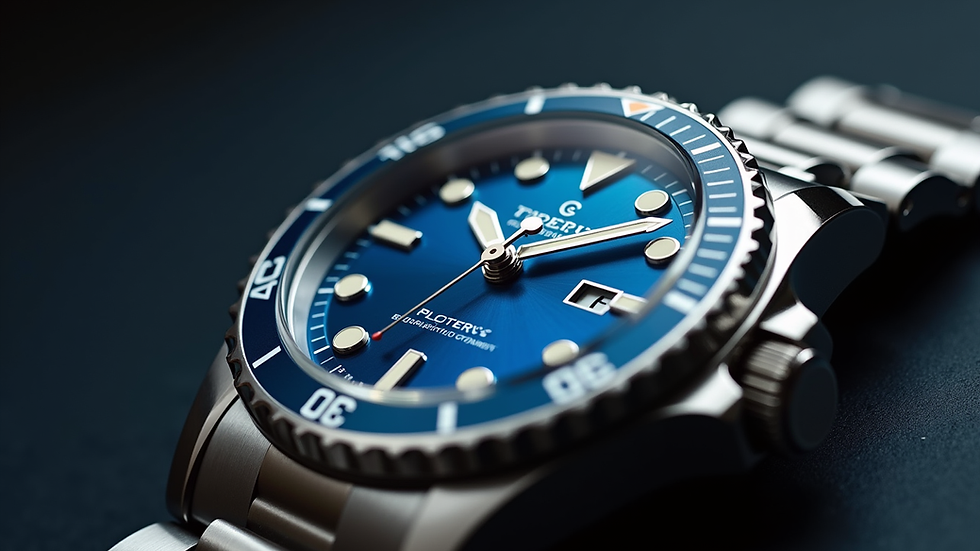
In outdoor activities like hiking or sports, watches designed for durability and water resistance offer dependable timekeeping without risking damage to a phone.
Pilots, divers, and professionals in various fields rely on specialized watches for precise timing and safety.
Watches as a Statement of Style and Personality
A watch is more than a tool; it is a fashion statement. The choice of a watch reflects personal taste, lifestyle, and sometimes status. From minimalist designs to intricate mechanical movements, watches offer a wide range of styles that complement different wardrobes and occasions.
Consider these examples:
A sleek, modern watch with a metal band can enhance a professional look.
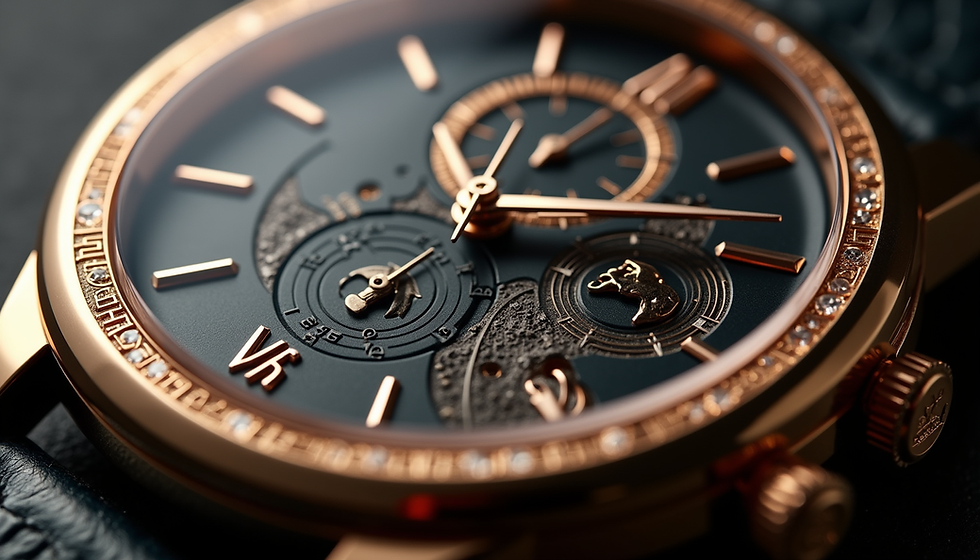
A vintage mechanical watch may express appreciation for craftsmanship and history.
Sport watches with bold colors and features show an active lifestyle.
Wearing a watch allows individuals to express themselves subtly but effectively, often sparking conversations and connections.
The Craftsmanship and Heritage Behind Watches
Mechanical watches represent centuries of innovation and artistry. Unlike digital devices, many watches are assembled by hand, with intricate gears and springs working in harmony. This craftsmanship appeals to those who appreciate tradition and engineering.
Collectors and enthusiasts often seek watches for their:
Historical significance, such as models worn by explorers or famous figures.
Complex complications like moon phases, chronographs, or tourbillons.
Brand heritage and reputation built over decades or centuries.
Owning and wearing such a watch connects people to a legacy of human skill and creativity.
Practical Benefits Beyond Timekeeping
Watches offer practical advantages that digital devices sometimes cannot match:
Battery life: Mechanical watches can run for years without a battery change, and even quartz watches often last longer than smartphones between charges.
Durability: Many watches are designed to withstand shocks, water, and extreme conditions.
Ease of use: Setting and reading a watch is straightforward, without navigating menus or screens.
Additionally, smartwatches combine traditional watch benefits with modern features like fitness tracking and notifications, bridging the gap between classic and digital.
Emotional and Psychological Impact of Wearing a Watch
Wearing a watch can influence mindset and behavior. For many, it promotes punctuality and time awareness, encouraging better time management. The physical presence of a watch on the wrist serves as a constant reminder of commitments and goals.
Moreover, watches often carry sentimental value:
Gifts from loved ones mark important milestones.
Heirlooms connect generations and family stories.
Personal achievements are commemorated with special editions.
This emotional connection makes watches more than mere objects; they become part of one’s identity.
Watches in a Digital Age: Balancing Tradition and Technology
While smartphones dominate daily life, watches maintain relevance by adapting and complementing technology. Smartwatches offer notifications, health monitoring, and connectivity while preserving the convenience of wrist-worn timekeeping.
At the same time, traditional watches continue to thrive among those who value:
The tactile experience of winding a mechanical watch.
The aesthetic appeal of classic designs.
The independence from screens and digital distractions.
This balance shows that watches are not obsolete but evolving tools that meet diverse needs.
How to Choose the Right Watch for You
Selecting a watch depends on lifestyle, preferences, and budget. Here are some tips to guide the choice:
Identify your primary use: Casual wear, formal occasions, sports, or professional needs.
Consider movement type: Mechanical for tradition and craftsmanship, quartz for accuracy and low maintenance, or smartwatches for connectivity.
Match style to personality: Classic, modern, sporty, or vintage designs.
Set a budget: Watches range from affordable to luxury, with options in every price range.
Try before buying: Comfort and fit are essential since you will wear it daily.
Choosing a watch thoughtfully ensures it becomes a valued companion rather than just an accessory.

Comments